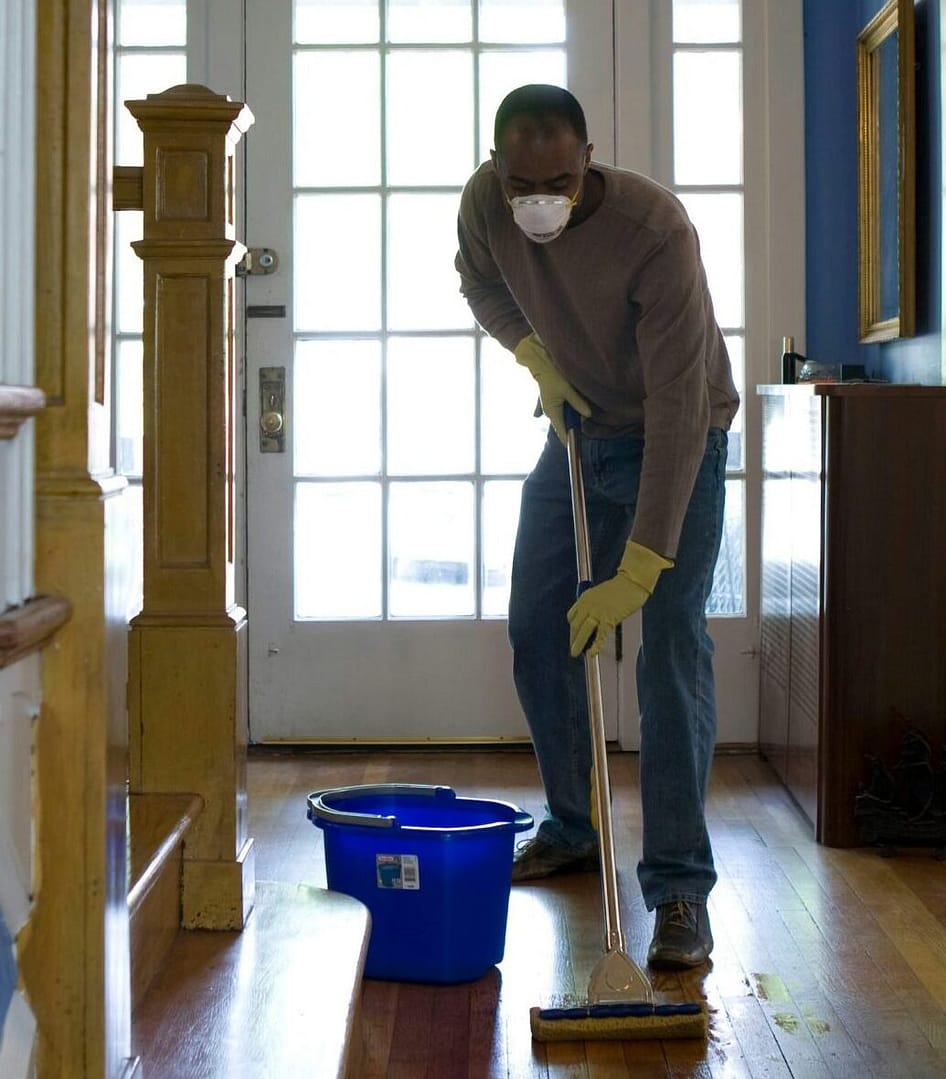


Why Your Room Gets So Dusty
1. You Shed Dust
Humans shed skin and hair constantly. Pets multiply it. You spend 6–8 hours a day in your bedroom. That’s a lot of time to create dust.
2. Fabric = Fiber
Curtains, bedding, rugs, and clothing break down slowly—releasing microfibers into the air. Bedrooms are full of them.
3. Outdoor Dust Comes In
Open windows, door gaps, and even HVAC systems pull in dirt, pollen, and pollution—especially if you live near traffic or construction.
4. Poor Ventilation
Stale air doesn’t move dust out. It lets it settle on surfaces. Bedrooms with closed doors, blocked vents, or sealed windows trap more particles.
5. Clutter Magnifies It
Books, decor, open shelves—more stuff equals more surfaces. Dust collects everywhere it can land.
6. Humidity Makes It Stick
Dust sticks more when humidity is high. Moist air helps particles cling to walls, baseboards, and furniture.
7. Dust Mites Thrive in Bedrooms
They feed on dead skin and live in bedding, upholstery, and rugs. Their waste adds to the dust load.
Why Bedrooms Are the Worst for Dust
Most dust settles where you spend time. Bedrooms are:
- Fabric-heavy (carpets, bedding, curtains)
- Used for long, still periods (you sleeping)
- Poorly ventilated (doors closed, windows sealed)
- Often cleaned less frequently than kitchens or living rooms
So yes—your bedroom gets dusty fast. And it will stay that way unless you change how you clean, ventilate, and maintain it.
How to Fix a Dusty Room
This isn’t about deep cleaning once a month. It’s about small, consistent changes that keep dust from building up.
1. Improve Airflow
- Open windows during low-pollen hours
- Use ceiling or floor fans to keep air moving
- Ensure vents are clean and unblocked
2. Vacuum Right—and Often
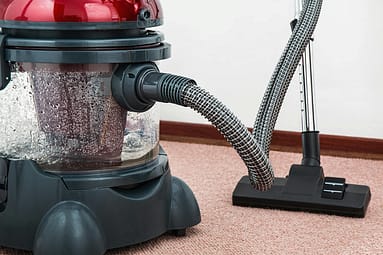
- Use a vacuum with a HEPA filter
- Vacuum at least once per week
- Don’t forget baseboards, corners, and under the bed
3. Use Microfiber, Not Feather Dusters
Dry dusters stir particles into the air. A damp microfiber cloth traps and removes them.
4. Wash Bedding Weekly
Sheets, pillowcases, and blankets collect skin cells and fibers. Wash them in hot water to kill mites and remove dust sources.
5. Declutter the Surfaces
Fewer objects = fewer places for dust to land. Keep nightstands, dressers, and shelves minimal and clean.
6. Add an Air Purifier
HEPA air purifiers pull dust from the air before it settles. They’re especially helpful in bedrooms with carpet or pets.
7. Seal Entry Points
Use caulk or weatherstripping around windows and doors. Even small cracks can bring in outside dust.
8. Control Humidity
Keep your room at 40–50% humidity. Use a dehumidifier if needed. This reduces dust mites and sticky surfaces.
Final Word: You’re Not a Messy Person
A dusty room doesn’t mean you’re dirty. It means dust builds naturally—and fast. The good news: you can stop it.
Fix airflow. Swap your tools. Declutter. Clean consistently.
Your room won’t just look cleaner—it’ll feel better to breathe in.